Your child is going to ask. Here are the words you'll need
8 phrases to say when your child asks a question - out loud, in public - about someone who uses a wheelchair. Based on the book, Bradley's Big Question. Written by a mom & wheelchair user who's been on both sides of the conversation.
© Chanelle Wimbish | 2026 All rights reserved.
The Story behind the guide
"Don't Stare." "Don't Ask That." Be Quiet."You know how it goes.Your child spots someone. Asks why. And before you can think - you grab their arm, steer them away, shush them, or say something that doesn't quite explain anything.Then you get home and something is still nagging you.When you shush a child in that moment, they don't hear "we'll talk about it later."What they hear - at four years old, at five - is simpler: "This isn't something we talk about."Which means, to them: "something must be wrong with that person."That's not what you meant. But the silence delivers that message anyway.
And here's what most parents don't know...
The person in the wheelchair would rather your child had asked.Rather than a stare or whisper from the next aisle over. Just asked - with a parent who had the words to help them do it kindly.And then the moment that went sideways could've gone somewhere real.
A book that gives you the words before the question catches you off guard.
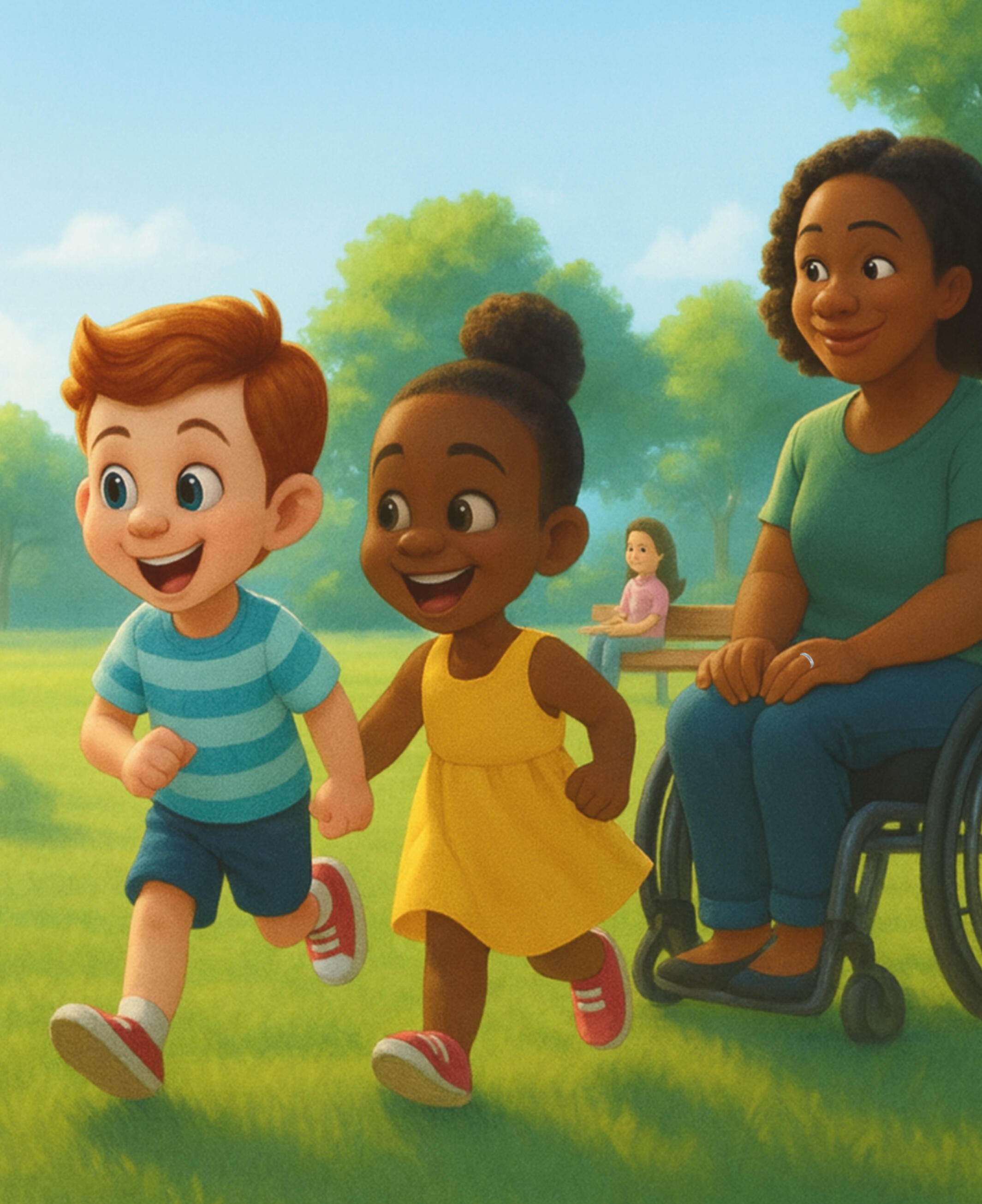
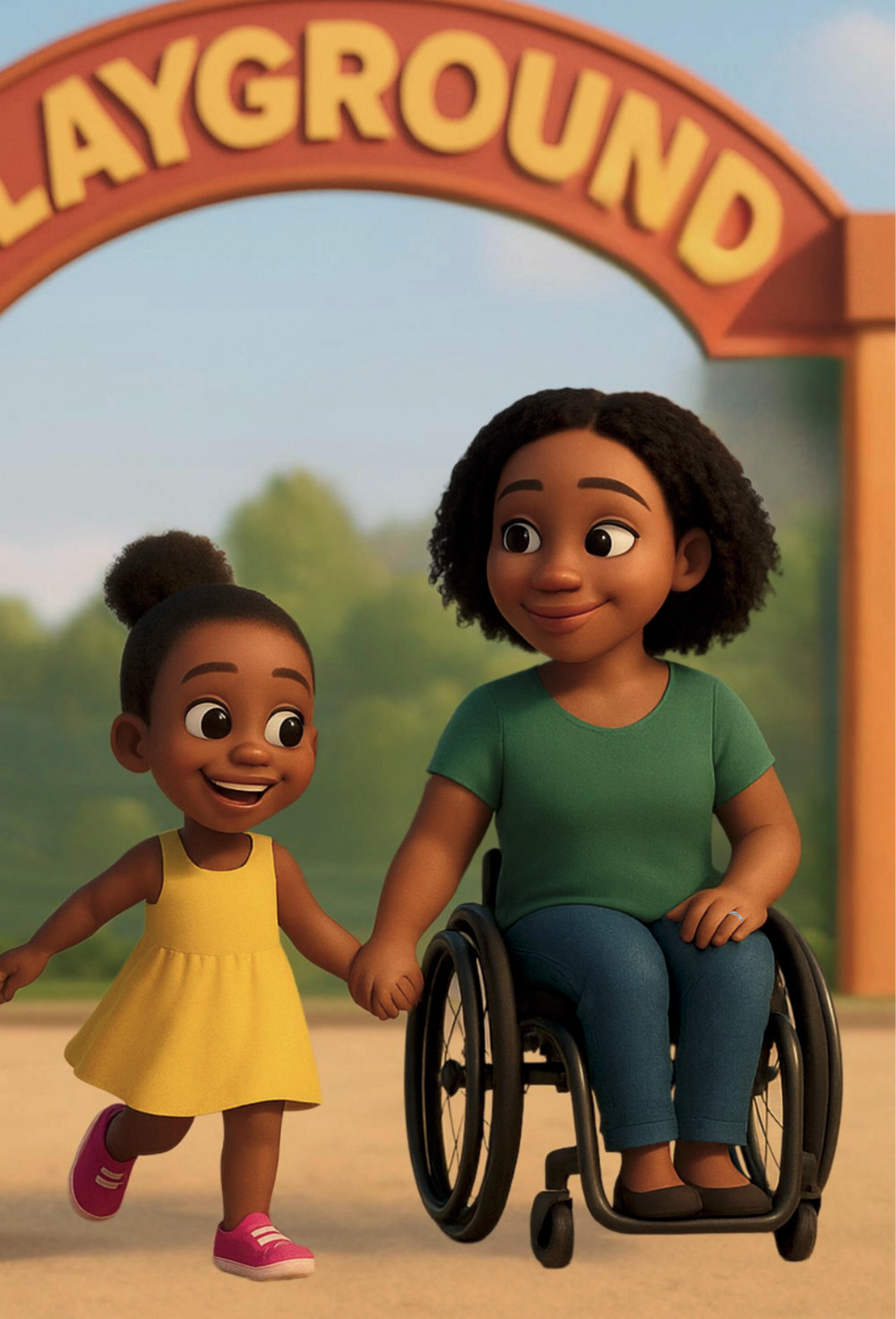
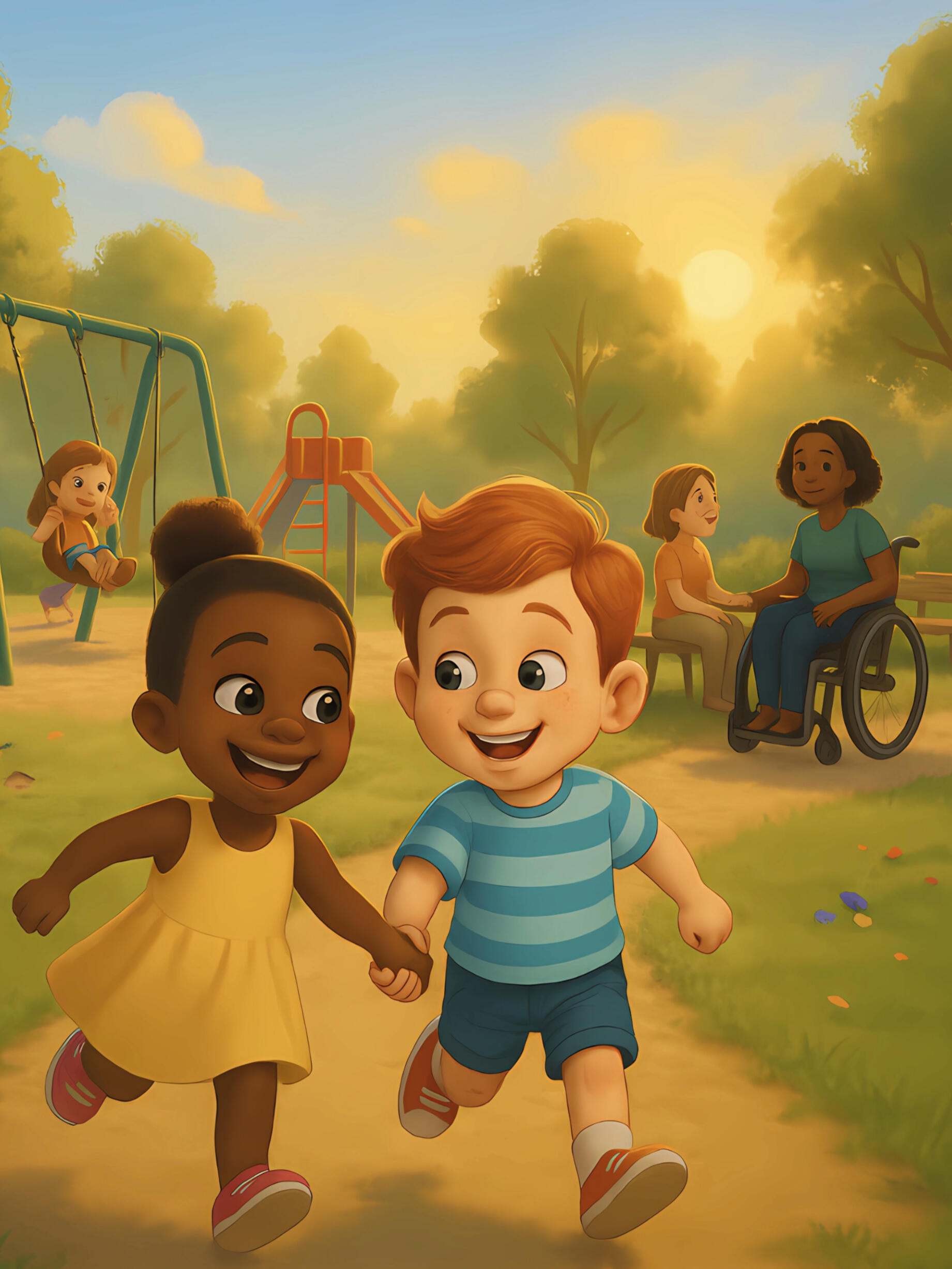
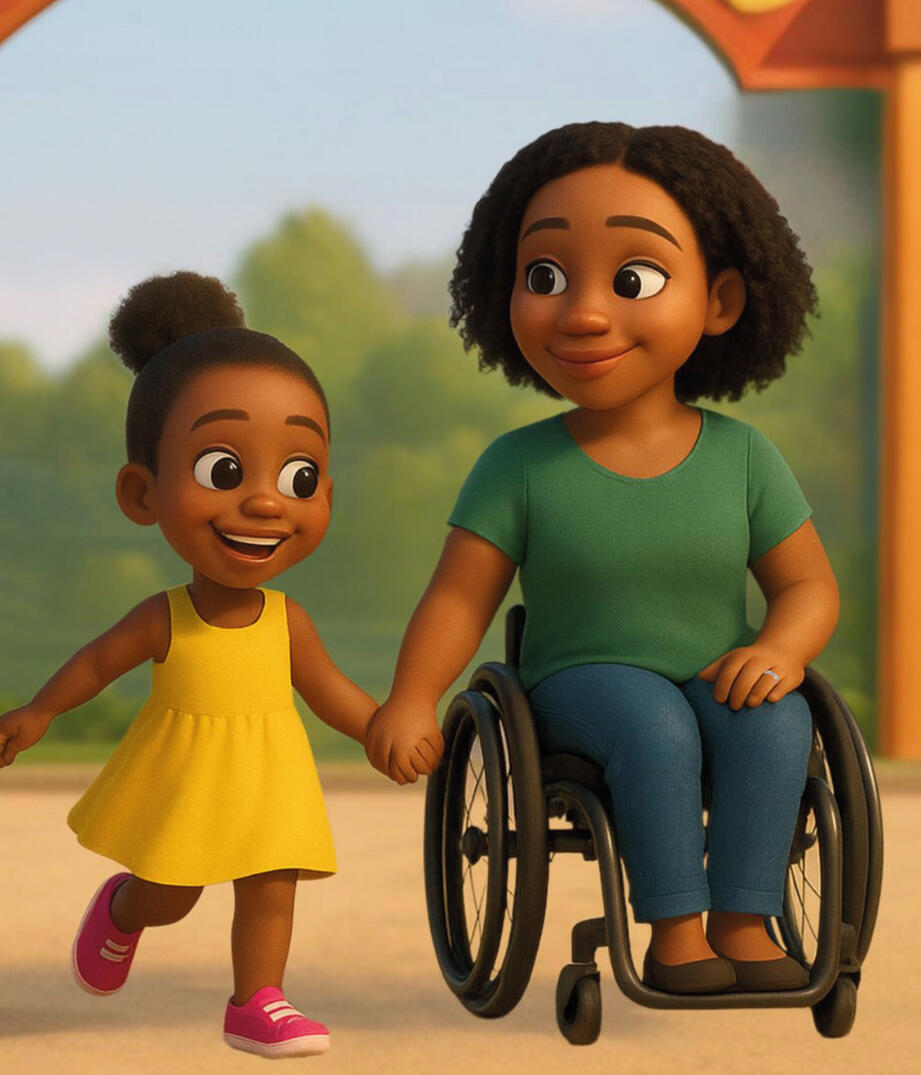
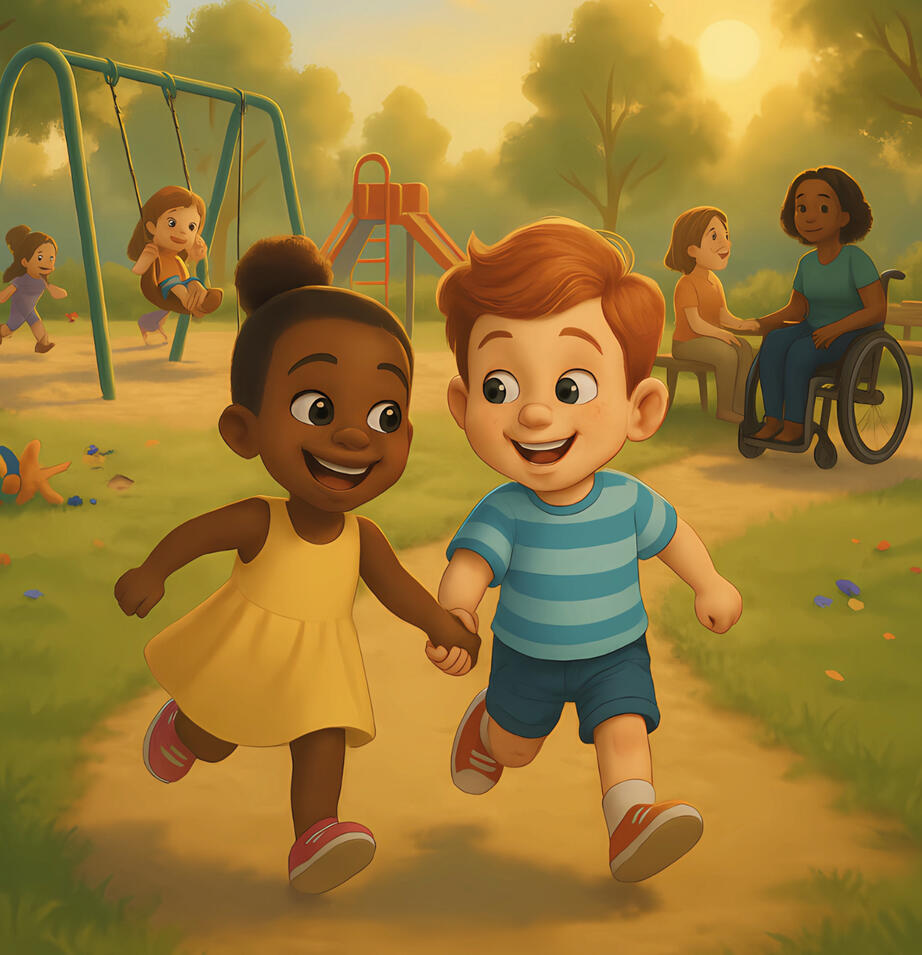
The story is based on a real life experience. While at the playground, Bradley meets a new friend and notices that her mom uses a wheelchair. He has a big question, but he isn’t sure if it’s okay to ask. With courage, kindness, and a little help from caring grown-ups, Bradley learns that asking respectful questions can lead to understanding and friendship.Bradley's Big Question is a gentle rhyming read-aloud book for kids ages 3–7 - right as their curiosity about the world around them is developing. And it was written with you in mind too.Inside:1. A story that shows how to ask with curiosity and kindness, not embarrassment2. Simple, honest language about why someone might use a wheelchair - in words a three-year-old can actually hold3. A way to naturally bring up the conversation you at home before the moment arrives in public
What People are saying...
Beautiful book with a powerful message
"As a parent with a disability this book addresses what we have needed for so long!" - parent, Kelly S.Fantastic learning tool
"An excellent way to let children know that it is okay to ask as long as they know to be kind and polite. We all know that children are inquisitive and it is our duty to teach them life's lessons." - grandmother, Angela P.Impressive
"This book was very well written describing a child's curiosity about a person in a wheelchair. Sensitive and educational. It should be in every elementary school classroom/library." - childhood educator, Janice H.Engaging and Educational
"I LOVE this book! As a retired Early Childhood educator, Bradley's Big Question is a delightful read while teaching some valuable life lessons at the same time." - Christine R.
Thank you
Thanks for visiting
Written by someone who has been on both sides of that moment.
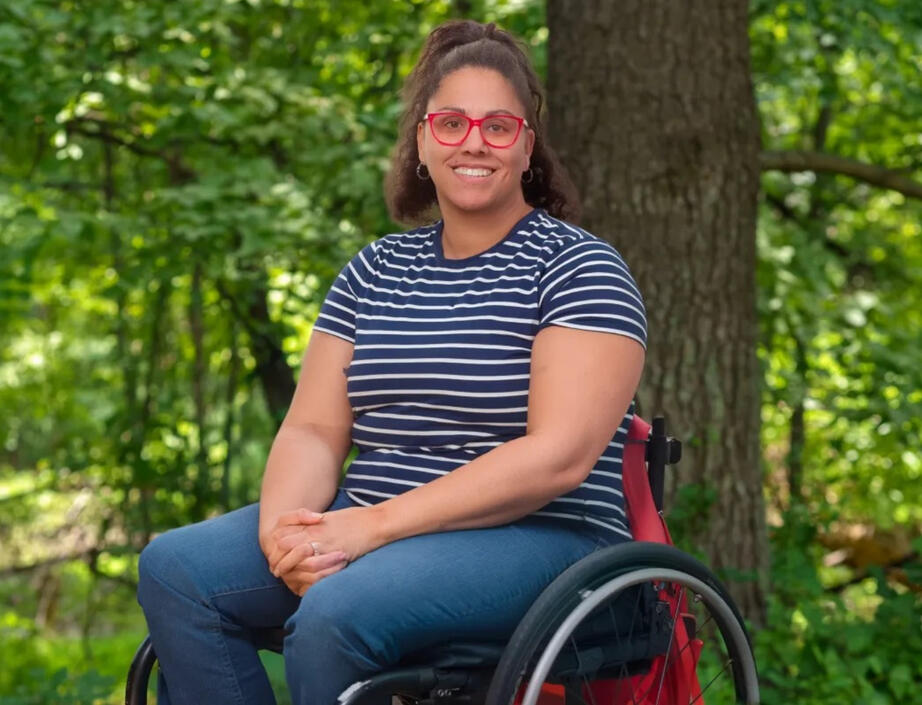
Chanelle Wimbish is a mom and a wheelchair user.Which means she has lived this from both directions. She's been the parent searching for the right words. She's also been the person being pointed at, stared past, and shushed around - dozens of times, in stores, in parks, on trains.She's watched parents freeze and pull their children away. And she's been there for the moments that went the other way - when a child asked openly, with a parent who had something ready, and something real happened between two strangers instead of something awkward.She wrote this book because no one else was writing it in this way.Not only from the child's perspective. Not only from the perspective of the person in the wheelchair. From the perspective of the parent caught in between - the adult who wants to get it right and just needs help knowing how.
Your guide is on the way - check your email.
The guide gives you the words this week. The book gives you and your child the story so you're both ready the next time it happens.